Structural / Building Health Assessment

  • Home
  • Structural / Building Health Assessment

Building Health Assessment Services by Kuber Enterprises | SRLX Division

Introduction

Buildings are among the most valuable long-term assets — yet most owners overlook one critical factor: structural health deteriorates silently.

According to the Bureau of Indian Standards (BIS), buildings older than 15–20 years require mandatory periodic structural evaluation. Studies suggest that over 70% of urban buildings in India show signs of structural distress by the time they reach 25 years of age — yet fewer than 20% undergo timely professional assessment.

Cracks, corrosion, water seepage, and concrete deterioration often go undetected until they become costly — or dangerous — emergencies.

At Kuber Enterprises | SRLX Division, we provide comprehensive Building Health Assessment Services that protect your investment, ensure occupant safety, and extend your structure’s service life — before small problems become irreversible failures.

👉 Need an assessment? Contact our structural engineers today for a free consultation.

  • Is my building structurally safe right now?
  • How much service life does it have remaining?
  • What repairs or upgrades are needed — and when?


    A comprehensive assessment covers:

    • Visual inspection and crack mapping
    • Structural condition evaluation of columns, beams, slabs, and foundations
    • Water seepage and dampness analysis
    • Reinforcement corrosion assessment
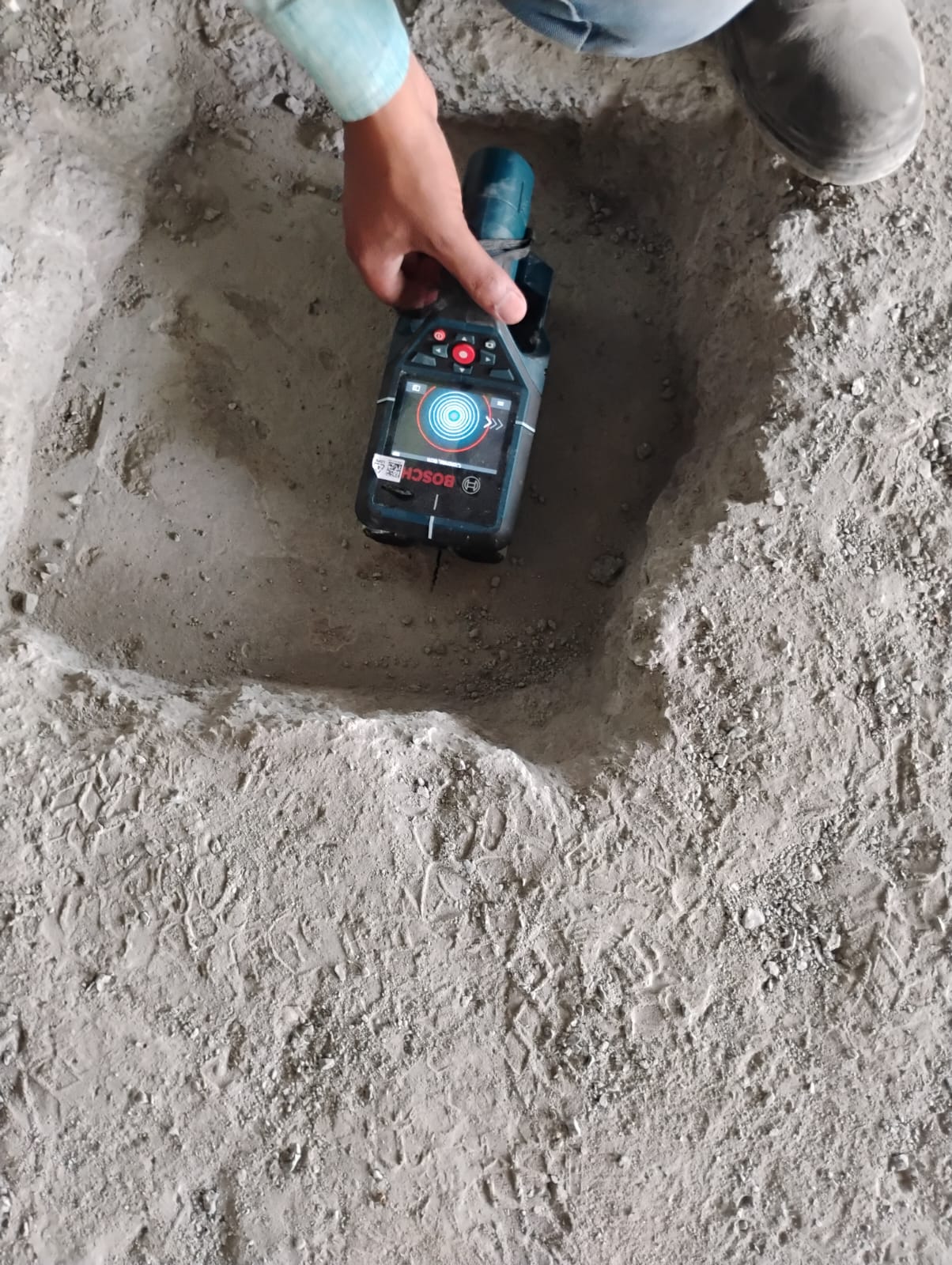
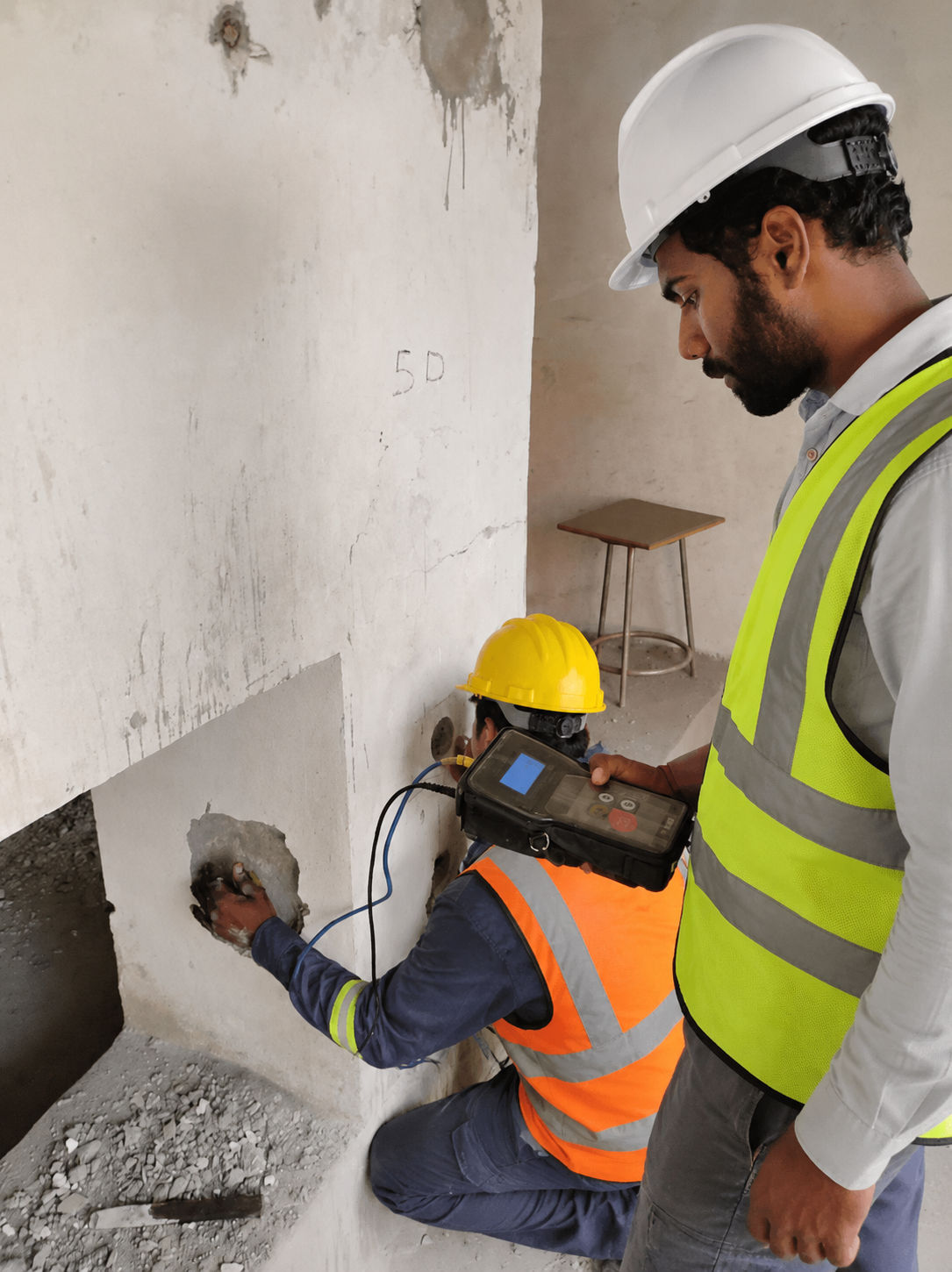
    • NDT Testing of concrete structures
    • RCC Structure Assessment
    • Structural Audit with safety and repair recommendations

    Did You Know? Repairing early-stage structural damage costs 3–5 times less than addressing advanced deterioration.

What is Building Health Assessment?

A Building Health Assessment is a systematic, professional evaluation of a building’s physical and structural condition — covering both visible and hidden defects.

It answers three critical questions every building owner must know:

Old Building Structural Audit

Why is Building Health Assessment important?

Many buildings look safe from the outside while silently deteriorating from within. Reinforcement corrosion, concrete carbonation, and micro-cracking are invisible to the untrained eye — yet they can compromise an entire structure

Key Benefits of Building Health Assessment:

01 STEP

Identify Safety Risks

Early detection of structural weaknesses helps prevent accidents, failures, and safety hazards.

02 STEP

Detect Structural Deterioration

A Building Health Assessment can reveal corrosion, concrete deterioration, cracks, settlement, and other structural issues before they become critical.

03 STEP

Reduce Repair Costs

Addressing minor defects at an early stage is significantly more cost-effective than undertaking major structural repairs later.

04 STEP

Extend Building Life

Regular inspections and maintenance recommendations help maximize the service life of the structure.

05 STEP

Improve Asset Management

Building owners, facility managers, and housing societies can plan maintenance budgets more effectively with accurate condition assessments.

06 STEP

Ensure Regulatory Compliance

Many residential societies, commercial buildings, and industrial facilities require periodic structural evaluations to ensure compliance with safety regulations.

When Does Your Building Need a Health Assessment?

Identify structural risks before they become costly failures.

Situation Risk Level
Building is 15–20+ years old 🔴 High
Visible cracks in walls, columns, or slabs 🔴 High
Water leakage or persistent dampness 🟠 Medium–High
Rust stains or exposed reinforcement bars 🔴 High
After earthquake, fire, or flood 🔴 Immediate
Change in building usage or load 🟠 Medium
Pre-purchase property inspection 🟡 Recommended
⚠️ Important Fact:

The 2013 Thane building collapse and several similar incidents across India highlighted the importance of timely structural assessments. Proactive inspections can help identify critical structural concerns before they escalate into serious safety risks.

Is Your Building Overdue for an Assessment?

Speak with our experienced structural engineers for Building Health Assessment, Structural Audit & NDT Testing Services across Delhi NCR and India.

📞 Talk to Our Engineers

Our Building Health Assessment Services

1. Structural Health Assessment

We evaluate all critical load-bearing elements — columns, beams, slabs, foundations, retaining walls — to determine current performance and identify areas requiring repair or strengthening.

Best for: Housing societies, commercial complexes, industrial structures, government buildings.

👉 Learn more about our Structural Health Assessment Services

2. Structural Audit

A Structural Audit is an in-depth engineering evaluation that goes beyond visual inspection — providing a complete picture of structural safety, stability, and future maintenance requirements.

Our Structural Audit includes:

  • Structural condition and distress assessment
  • Safety and stability review
  • Repair and retrofitting recommendations

3. NDT Testing (Non-Destructive Testing)

NDT Testing allows our engineers to assess structural conditions without damaging the structure — making it safe, accurate, and cost-effective.

Industry Insight: NDT Testing can detect structural defects up to 10 years before they become visible — making it one of the most valuable diagnostic tools available.

👉 Explore our complete NDT Testing Services

4. Building Inspection

Our professional Building Inspection service provides a thorough visual assessment of structural and non-structural elements — identifying cracks, dampness, seepage, corrosion, settlement, and surface deterioration.

Inspection findings form the diagnostic foundation for the complete Building Health Assessment process.

👉 Know more about our Building Inspection Services
5. Residential Building Health Assessment

Residential buildings — apartments, housing societies, villas, and independent houses — are particularly vulnerable to ageing, waterproofing failures, and environmental deterioration.

We serve:

  • Apartments and housing societies
  • RWAs (Resident Welfare Associations)
  • Villas and independent houses
  • Residential complexes

👉 Request a Residential Building Health Assessment for your society today.

6. RCC Structure Assessment

Reinforced Cement Concrete (RCC) structures require periodic evaluation to ensure long-term durability and safety.

Our RCC assessment covers:

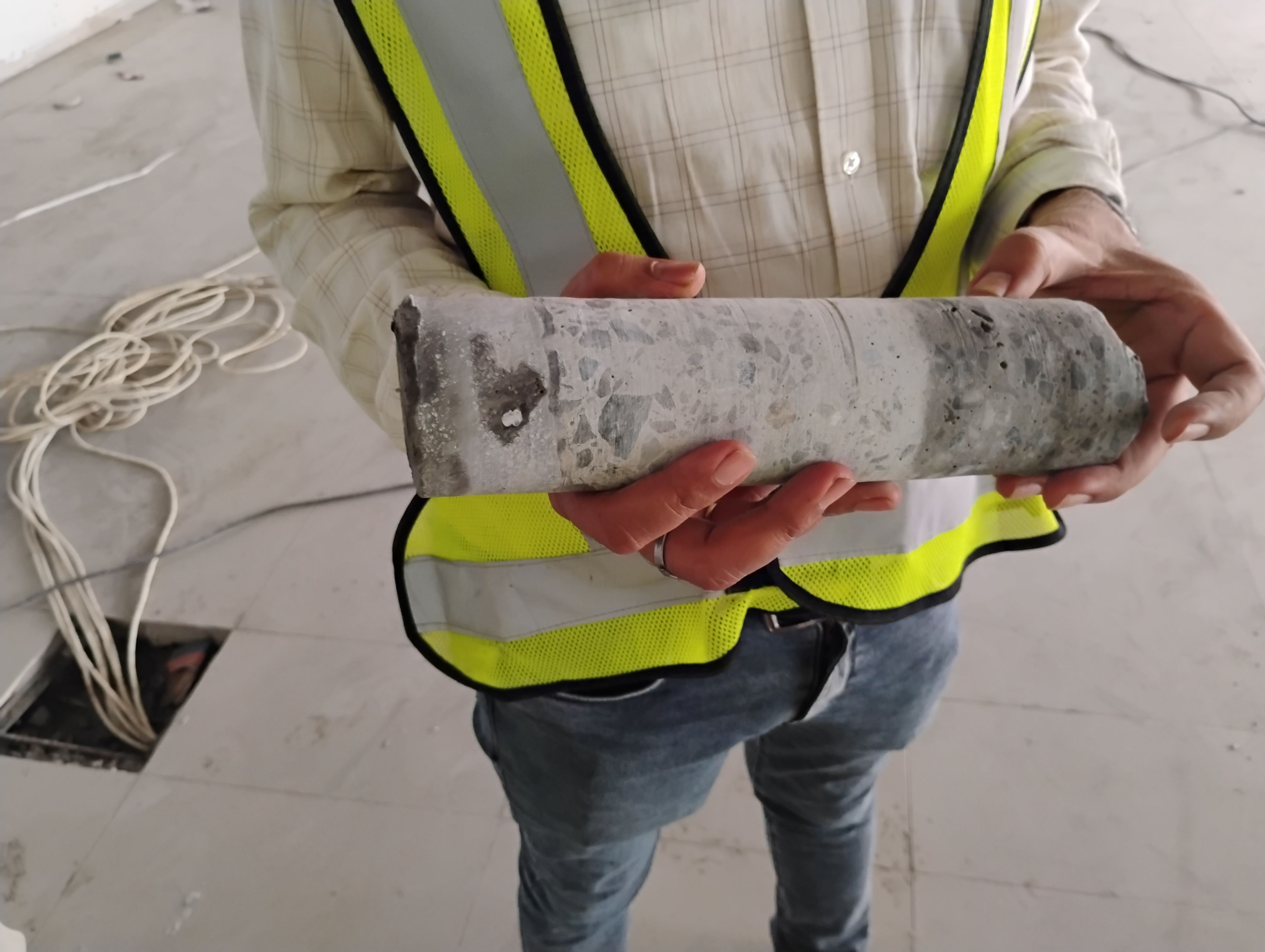
  • Concrete condition and compressive strength
  • Reinforcement corrosion analysis
  • Load-carrying capacity evaluation
  • Crack analysis and durability assessment

Fact: Reinforcement corrosion is responsible for over 40% of premature RCC structural failures in Indian buildings — most of which are entirely preventable with timely assessment.

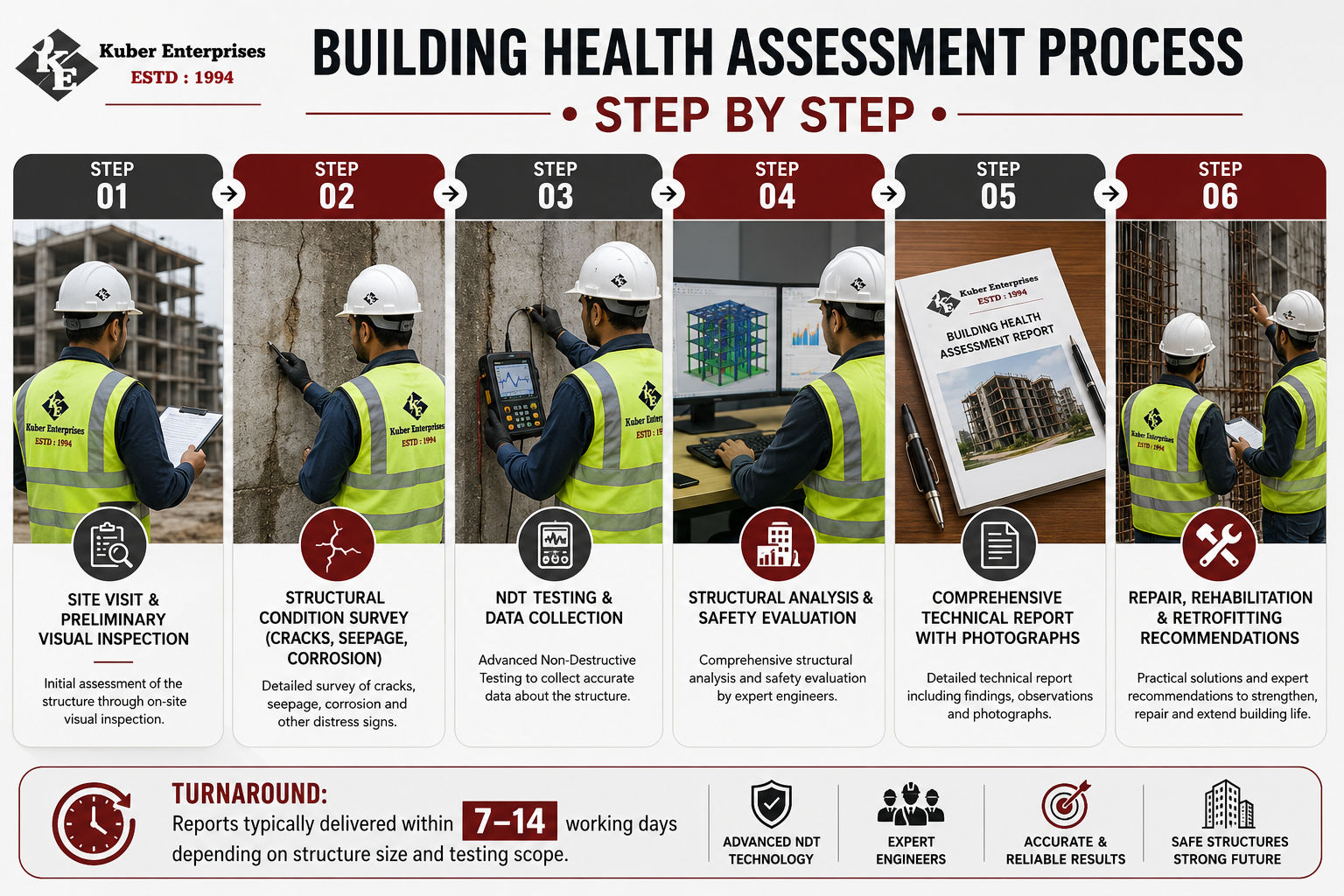
Building Health Assessment Process — Step by Step

Step 1 → Site Visit & Preliminary Visual Inspection

Step 2 → Structural Condition Survey (Cracks, Seepage, Corrosion)

Step 3 → NDT Testing & Data Collection

Step 4 → Structural Analysis & Safety Evaluation

Step 5 → Comprehensive Technical Report with Photographs

Step 6 → Repair, Rehabilitation & Retrofitting Recommendations

Turnaround: Reports typically delivered within 7–14 working days depending on structure size and testing scope.

Lorem ipsum dolor sit amet, consectetur adipiscing elit. Ut elit tellus, luctus nec ullamcorper mattis, pulvinar dapibus leo.

Building Health Assessment Services

Building Health Assessment vs Structural Audit — Key Differences

Parameter

Building Health Assessment

Structural Audit

Scope

Comprehensive — structural + non-structural

Structural elements only

Includes

Waterproofing, seepage, surface defects

Structural safety and stability

Purpose

Overall building condition review

Detailed structural safety analysis

Best For

Routine maintenance planning

Legal compliance, post-disaster review

Output

Condition report + maintenance plan

Structural safety certificate + repair plan

👉 Not sure which service you need? Contact our engineers — we’ll guide you to the right solution.

Service Coverage — Delhi NCR & Across India

Kuber Enterprises | SRLX Division provides Building Health Assessment Services across:

Delhi NCR: Delhi | Gurugram | Noida | Greater Noida | Faridabad | Ghaziabad

Pan India: We serve residential, commercial, industrial, and institutional clients across major cities in India.


```html

Why Choose Kuber Enterprises | SRLX Division?

What We Offer Why It Matters
30+ Years of Industry Experience Proven expertise across diverse structures
Qualified Structural Engineers Accurate, reliable assessments
Advanced NDT Testing Equipment Detect hidden defects non-invasively
Comprehensive Technical Reports Clear documentation for decisions
Practical Repair Recommendations Actionable, cost-effective solutions
Structural Retrofitting Expertise End-to-end structural solutions
Pan India Service Coverage Accessible wherever you need us
```

Frequently Asked Questions (FAQs)


Q1. What is Building Health Assessment?

A Building Health Assessment is a professional evaluation of a building’s structural and physical condition — identifying defects, deterioration, and safety risks before they become critical.

Q2. Why is Building Health Assessment important?

 It detects hidden structural problems early, reduces repair costs by up to 80%, ensures regulatory compliance, and extends building life by 15–25 years.dfgdfhf

Q3. How often should a building health assessment be done? 

Buildings older than 15–20 years should be assessed every 3–5 years. Immediate assessment is recommended when visible distress signs appear or after earthquakes, floods, or fire.

Q4. What tests are done during Building Health Assessment?

 Common tests include Rebound Hammer Test, UPV Test, Cover Meter Survey, Half Cell Potential Test, Carbonation Test, and visual Building Inspection.

Q5. What is the difference between Building Health Assessment and Structural Audit? Building Health Assessment covers the overall condition of a building including non-structural elements, while a Structural Audit focuses specifically on structural safety, stability, and compliance.

Q6. How long does a Building Health Assessment take? 

Duration depends on the building’s size, complexity, and testing scope. Reports are typically delivered within 7–14 working days.

Q7. Do you provide services outside Delhi NCR? 

Yes. Kuber Enterprises | SRLX Division provides Building Health Assessment Services across India.

```html

Get Your Building Assessed Today

Don't wait for cracks to become collapses.

Kuber Enterprises | SRLX Division provides expert Building Health Assessment, Structural Audit, NDT Testing, Building Inspection, RCC Structure Assessment, Old Building Structural Audit, and Residential Building Health Assessment services for residential, commercial, industrial, and institutional structures — across Delhi NCR and all of India.

✅ 30+ Years Experience | ✅ Qualified Engineers | ✅ Advanced NDT Testing | ✅ Pan India Coverage

👉 Contact Kuber Enterprises | SRLX Division Today — Get a free consultation and protect your building before it's too late.

```